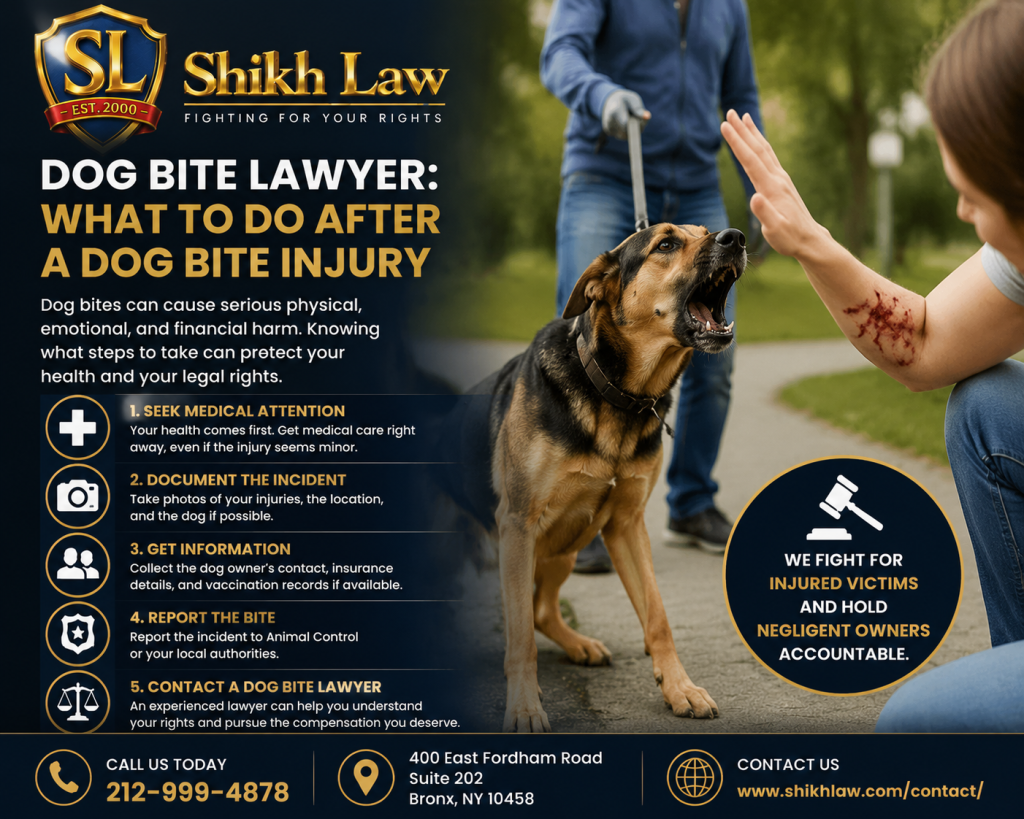
After a dog bite, prioritize your health by seeking immediate medical treatment. Report the attack to local animal control authorities and document your visible injuries with photographs. Finally, consult a dog bite lawyer to protect your legal rights and help you navigate the claims process against the dog owner’s insurance.
A dog attack happens in a matter of seconds, but the consequences can disrupt your life for months or even years. Victims often face severe physical injuries, significant financial burdens from medical bills, and lasting emotional trauma. Healing should be your primary focus, yet dealing with hospital visits and aggressive insurance adjusters can make recovery feel impossible.
Understanding your legal rights immediately following an attack is crucial for protecting your future. Dog owners have a legal responsibility to control their pets. When they fail to do so, injured victims have the right to seek compensation for their damages.
Navigating personal injury law while recovering from an attack can be incredibly complex. Working with an experienced Dog Bite Lawyer ensures you have a dedicated advocate fighting for your best interests. This guide explains the essential steps you must take to protect your health and your legal claim after a dog bite injury.
Common Injuries Caused by Dog Attacks
A dog’s jaws can exert tremendous pressure, causing severe damage to skin, muscle, and bone. These attacks routinely result in injuries that require emergency medical intervention and long-term care.
- Puncture wounds: A dog’s teeth can easily pierce the skin, driving bacteria deep into the tissue.
- Lacerations and scarring: Tearing of the skin often requires stitches or surgical repair, frequently leaving permanent, visible scars.
- Nerve damage: Deep bites can sever or crush nerves, leading to temporary or permanent loss of sensation and mobility in the affected area.
- Infections and diseases: Dog mouths carry dangerous bacteria. Without prompt treatment, victims are at high risk for infections like tetanus, staph, or even rabies.
- Emotional and psychological trauma: Survivors frequently develop post-traumatic stress disorder (PTSD), anxiety, and a severe fear of dogs following a violent attack.
What Should You Do After a Dog Bite?
Taking immediate, strategic action after an attack protects both your physical well-being and your potential legal claim.
Seek Immediate Medical Attention
Your health is the top priority. Wash the wound gently with soap and water if you can, then go to the emergency room or an urgent care clinic immediately. A doctor will properly clean the wound, assess the risk of infection, and document the medical severity of your injuries. This medical record serves as vital evidence if you pursue a personal injury claim.
Report the Incident
Contact local animal control or the police to report the attack. Filing an official report creates a documented record of the event. Authorities can also investigate the dog’s vaccination history and determine if the animal has a prior record of aggressive behavior.
Gather Evidence
If you are physically able to do so, collect evidence at the scene. Write down the dog owner’s name, address, and contact information. Ask any eyewitnesses for their names and phone numbers. Note the exact location, time, and circumstances of the attack.
Document Your Injuries
Take clear, well-lit photographs of your injuries as soon as possible, and continue taking pictures throughout your healing process. Keep a journal detailing your pain levels, emotional state, and how the injuries impact your daily life. Save all clothing worn during the attack, especially if it is torn or bloody.
Avoid Speaking With Insurance Companies Without Legal Guidance
The dog owner’s insurance company may contact you shortly after the incident. They often want you to provide a recorded statement or accept a quick, low-ball settlement. Decline to provide a statement and refuse to sign any documents until you have spoken with a legal professional.
Understanding Liability in Dog Bite Cases
Holding the responsible party accountable requires proving liability. Depending on local statutes, a dog owner may be held strictly liable for the actions of their pet, or you may need to prove that the owner acted negligently.
Negligence occurs when an owner fails to exercise reasonable care, such as letting an aggressive dog off-leash in a public park. In certain situations, property owners or landlords may also share liability if they knowingly allowed a dangerous animal to remain on their premises. Establishing negligence and proving the extent of your damages are foundational elements of a successful personal injury case.
Compensation Available to Dog Bite Victims
A successful claim can provide financial relief for the various hardships caused by an attack. Victims may be eligible to recover compensation for:
- Medical expenses: This includes emergency room visits, surgeries, medications, and hospital stays.
- Lost wages: Compensation for the income you lost while missing work to recover.
- Pain and suffering: Financial recovery for the physical pain endured during and after the attack.
- Emotional distress: Compensation for anxiety, PTSD, and the loss of enjoyment of life.
- Future medical treatment and rehabilitation costs: Coverage for ongoing physical therapy, scar revision surgeries, and psychological counseling.
How a Dog Bite Lawyer Can Help
Filing a claim against a negligent dog owner involves complex legal procedures and strict deadlines. A dedicated dog and animal bites attorney manages the entire legal process so you can focus entirely on your recovery.
Your legal representation will begin by thoroughly investigating the attack and collecting essential evidence, such as animal control records and witness testimonies. They will accurately calculate the full lifetime value of your damages, ensuring you do not settle for less than you deserve. From negotiating aggressively with insurance companies to representing you in court if a fair settlement cannot be reached, legal counsel levels the playing field against powerful insurance corporations.
Challenges That Can Affect a Dog Bite Claim
Personal injury cases are rarely straightforward. Insurance adjusters employ various tactics to minimize their financial payouts.
- Disputed liability: The defense may argue that you provoked the dog or were trespassing at the time of the attack.
- Lack of evidence: Delaying reporting the incident or failing to gather witness contact information makes it harder to prove what happened.
- Insurance company tactics: Adjusters may deliberately delay the process or pressure you into accepting an inadequate settlement early on.
- Delayed medical treatment: Failing to see a doctor immediately gives the insurance company room to argue that your injuries were caused by something else or are not as severe as claimed.
Why Acting Quickly Matters After a Dog Bite Time is of the essence following an animal attack. Acting quickly helps preserve critical evidence before it disappears and ensures witnesses retain clear memories of the event.
If you or a loved one has been injured, contact Shikh Law immediately for legal guidance. You can reach our Bronx, NY office at 400 East Fordham Road, Suite 202, Bronx, NY 10458 or call 212-999-4878. You may also contact us anytime through our contact form for a free consultation with an experienced personal injury attorney.
More importantly, every state has a statute of limitations that dictates how long you have to file a personal injury lawsuit. Missing this legal deadline generally results in the complete loss of your right to seek compensation.
Protecting your legal rights means consulting an attorney as soon as reasonably possible. Shikh Law is here to help you take immediate action, preserve evidence, and pursue the compensation you deserve.
Connect with us